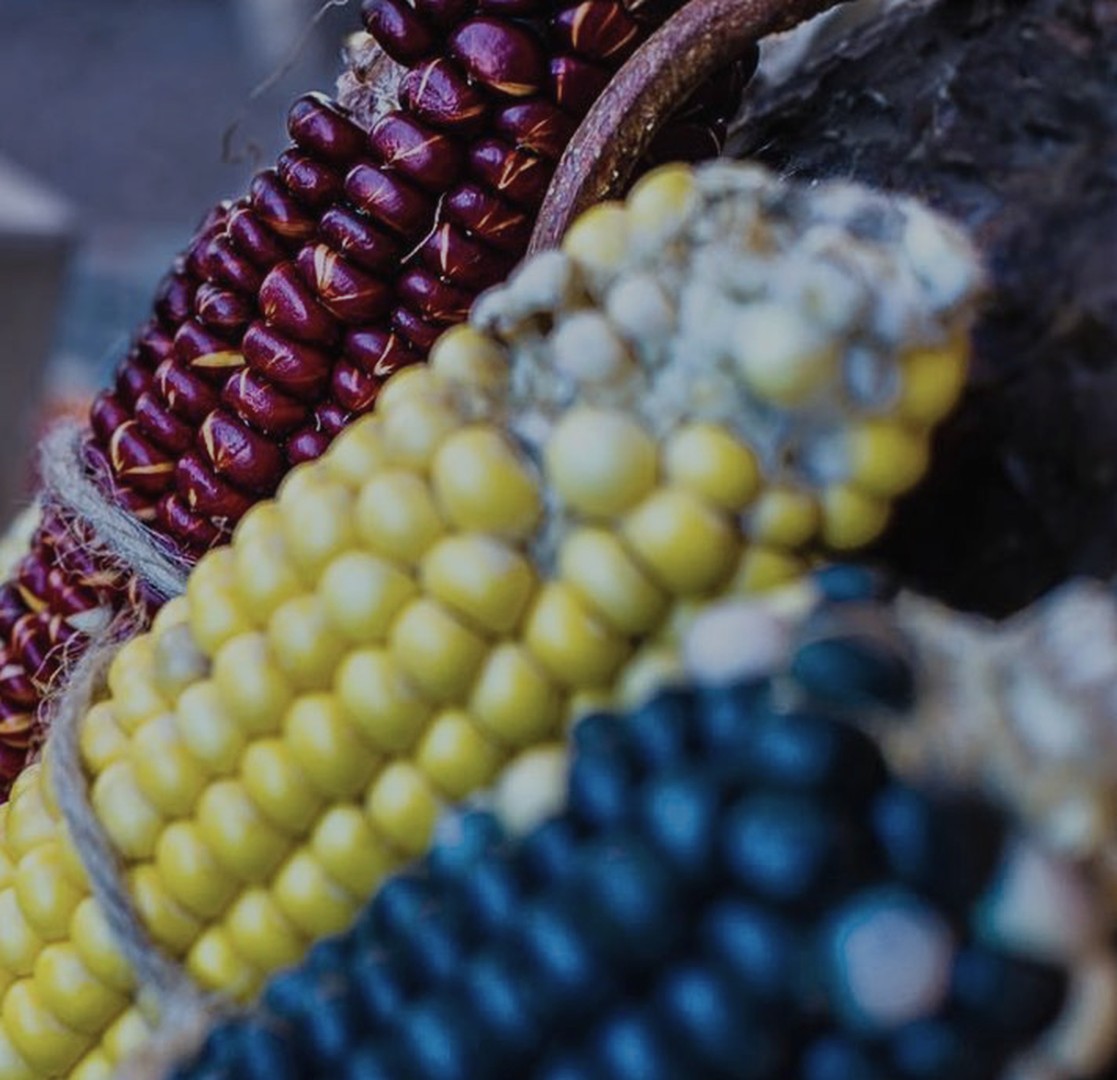
Braided heirloom corn in deep red, gold and blue

Embracing the Wild · Impact Campaign

A film. A food experience. A growing movement.

Taste the landscape. Protect the knowledge. Support the community.

Scroll
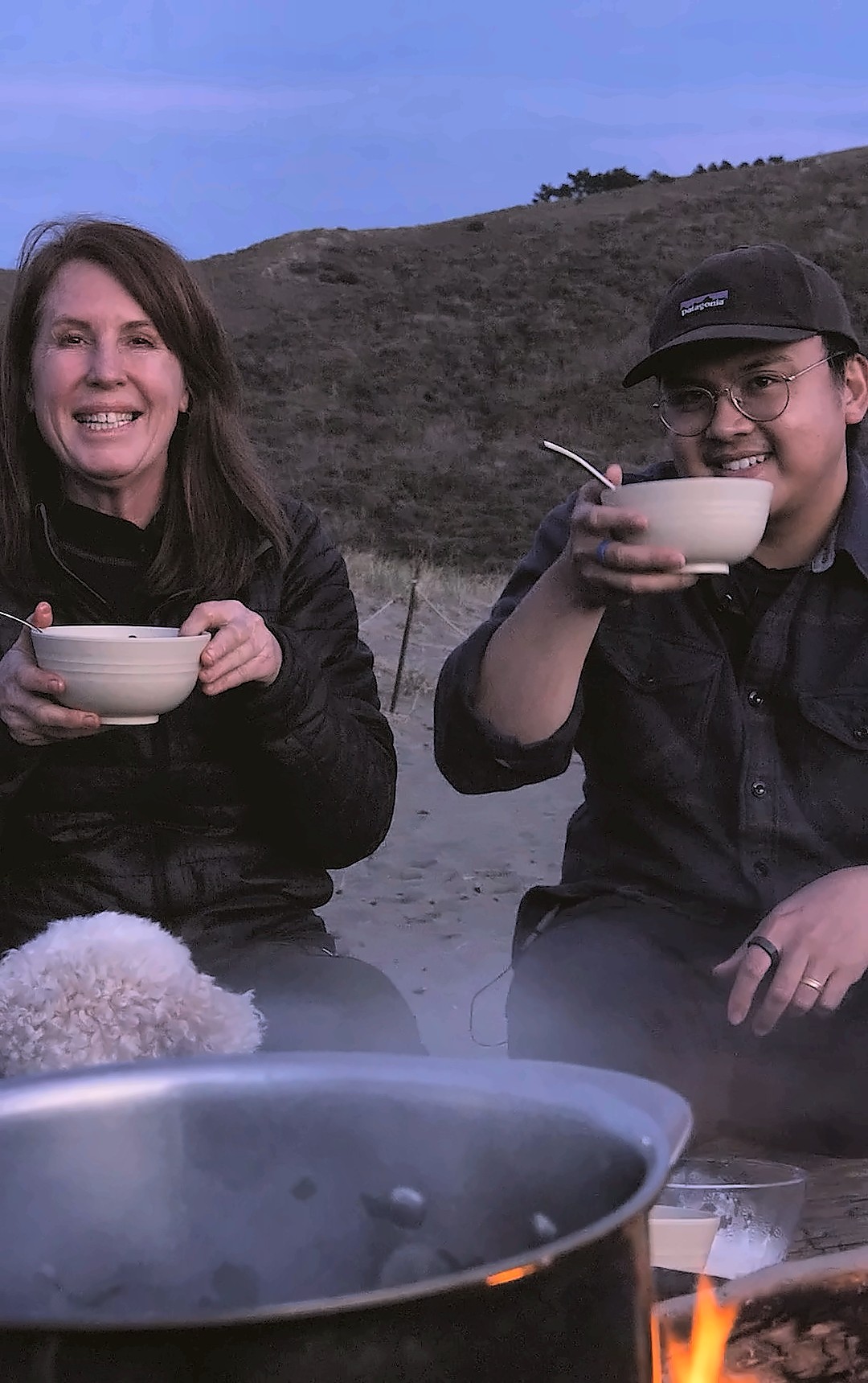
Two people raising bowls of soup around a campfire pot at dusk

The invitation

More than a documentary about food

Embracing the Wild invites people to rediscover the abundance that has always existed around us, and to reconsider our relationship with food, land, culture, access and community.

The impact campaign extends the film through a 15–20 city exhibition and engagement tour: screenings combined with food, conversation, education and local activation.

Impact goals

Five interconnected commitments

  1. Cultural preservation

    Document, protect and amplify marginalized food knowledge, oral histories, recipes, practices and relationships to land.

  2. Food sovereignty

    Support community-led food security and strengthen communities' ability to define and sustain their own food systems.

  3. Environmental justice

    Highlight how land access, environmental racism and displacement shape food systems and cultural survival.

  4. Education

    Create curriculum, screening guides and practical learning materials for schools, educators, families and community groups.

  5. Economic justice

    Ensure knowledge holders, growers, chefs, educators and cultural contributors benefit financially when their work is shared.

Community participation over extraction.

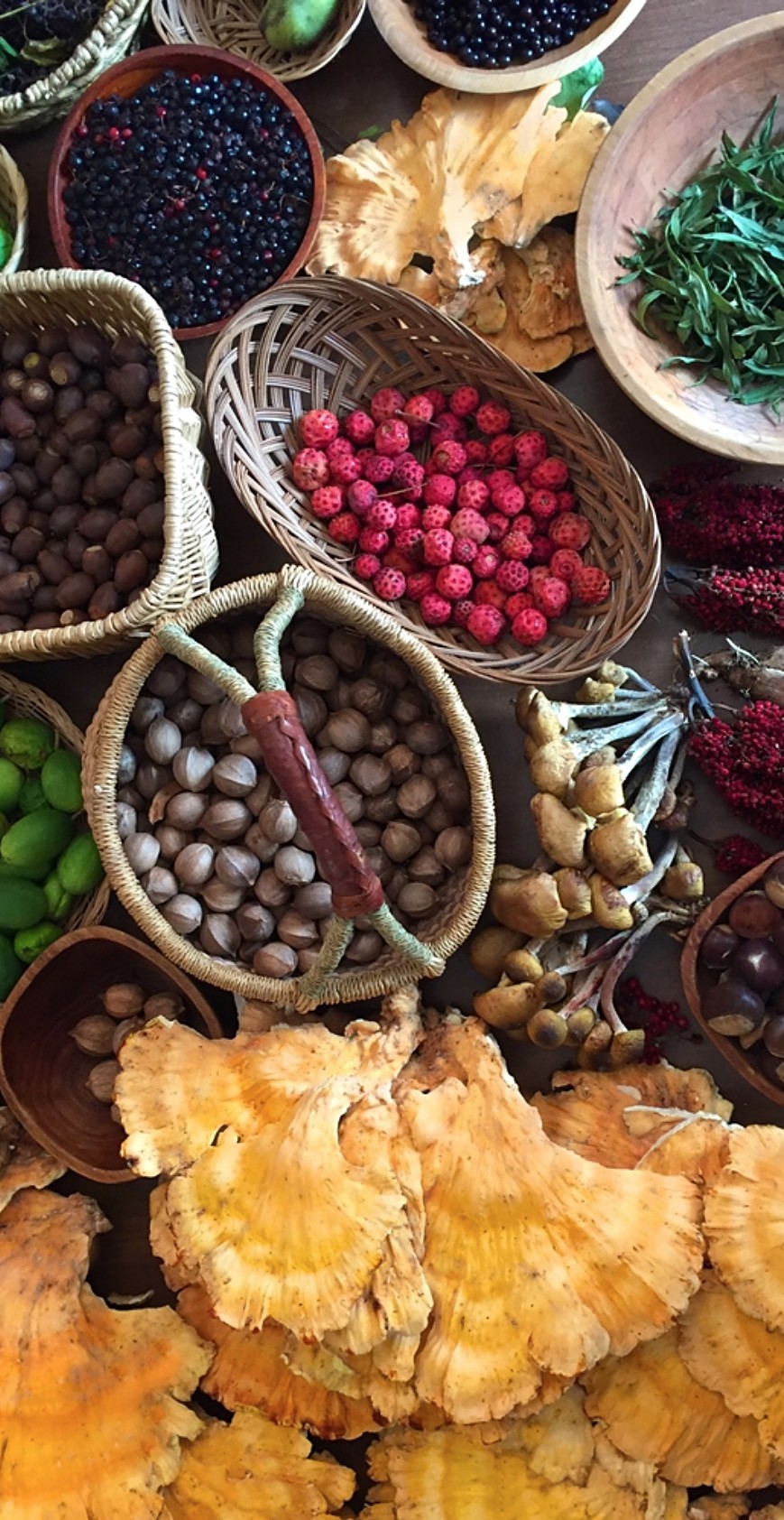
Baskets and bowls of foraged foods: berries, nuts, chicken-of-the-woods and other wild mushrooms

Campaign vision

From storytelling to experience to behavior

Food is an accessible, deeply personal way into biodiversity, climate resilience, cultural memory and justice. Audiences rethink not only what they eat, but where food comes from, who carries that knowledge, who has access to land, and who benefits.

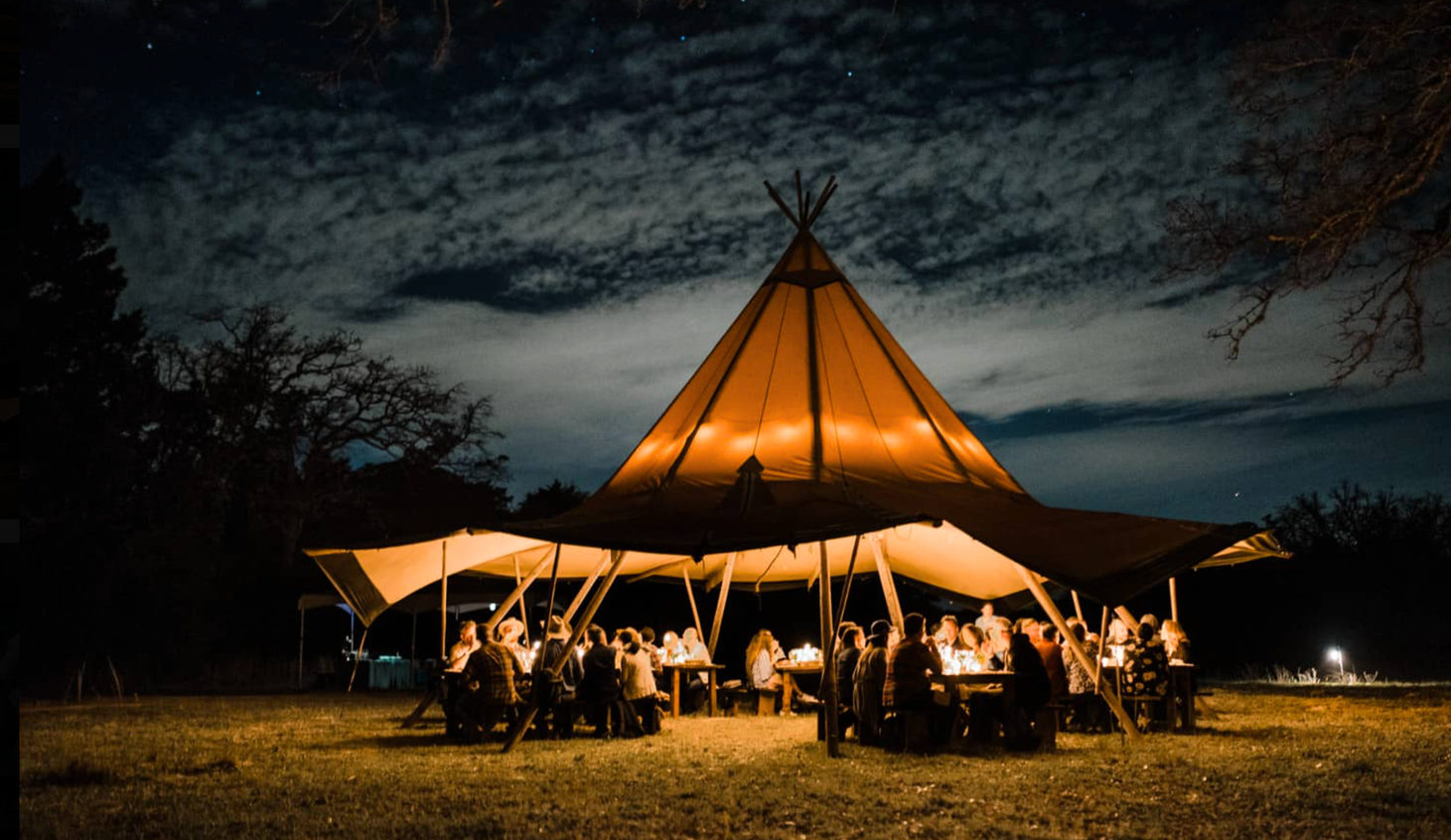
A glowing tipi-style tent hosting a long dinner at dusk

The 15–20 city experience

Every screening becomes a locally rooted experience

Each stop adapts to its community, season, landscape and partners. Rather than repeating one event everywhere, every city asks:

  • What grows here?
  • Who carries this knowledge?
  • Who has access to this land?
  • What stories belong to this landscape?

Possible activations

What a tour stop can include

Film screenings and filmmaker conversations

Pre- or post-screening tastings

Chef-created dishes inspired by the film

Community meals and receptions

Farmers market collaborations

Cooking, fermenting and preservation demonstrations

Conversations with growers, educators and food sovereignty advocates

Community-led wild food and landscape experiences

Discussions on food justice, land access and local food systems

Where foraging is included, it is developed with qualified local practitioners and framed around ethical, legal and safe participation.

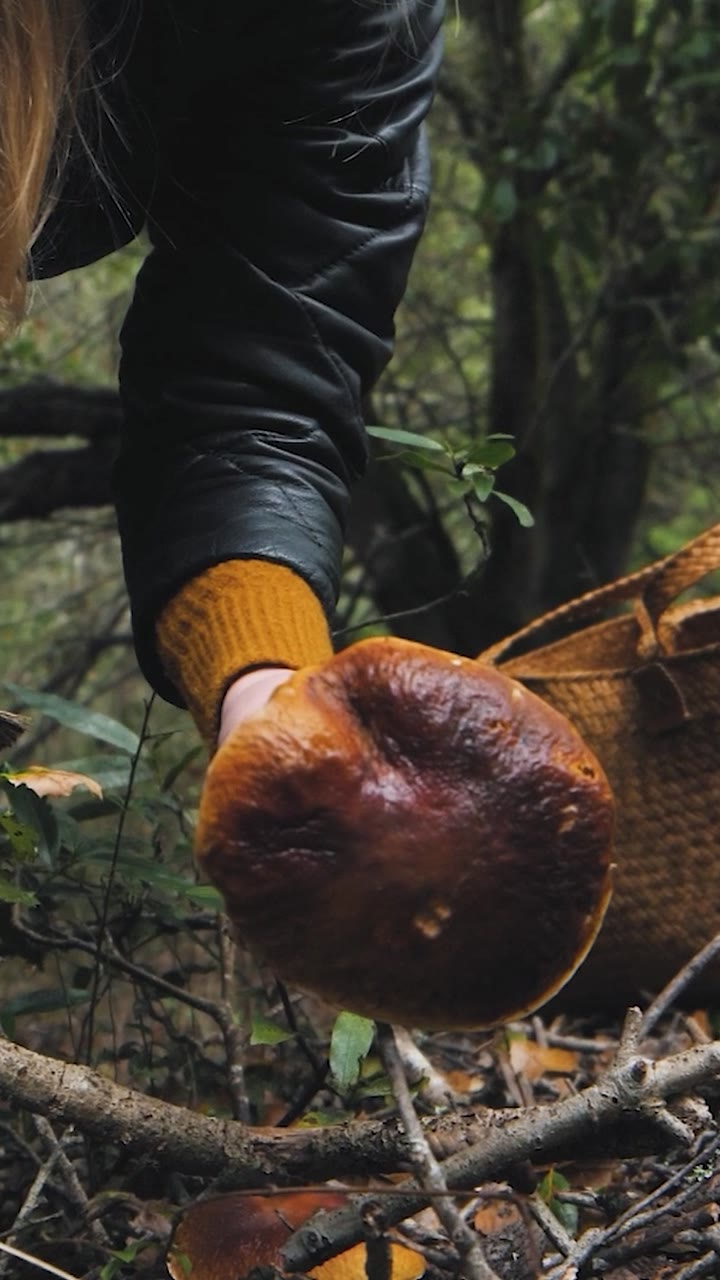
A forager lifting a large porcini from the forest floor

The People's Pantry

A national idea built one community at a time

The pantry in Maine looks very different from the pantry in California, New Mexico, Louisiana or the Pacific Northwest.

That difference is the point.

Every stop adds to a growing People's Pantry Map:

Screening, menu & education toolkit

Built so any community can host its own

01

Sample menus

02

Recipes and ingredient guides

03

Ethical foraging guidelines

04

Safety protocols and plant identification

05

Regional food prompts

06

Community resource connections

07

Screening and conversation guide

08

Educational curriculum

The first 15–20 events become the prototype for potentially hundreds of future screenings.

A purple sea urchin glistening in the sun, close up

Social impact

Food is never only about food

Not simply raising awareness of inequity, but directing attention, resources, participation and economic opportunity toward community-led solutions.

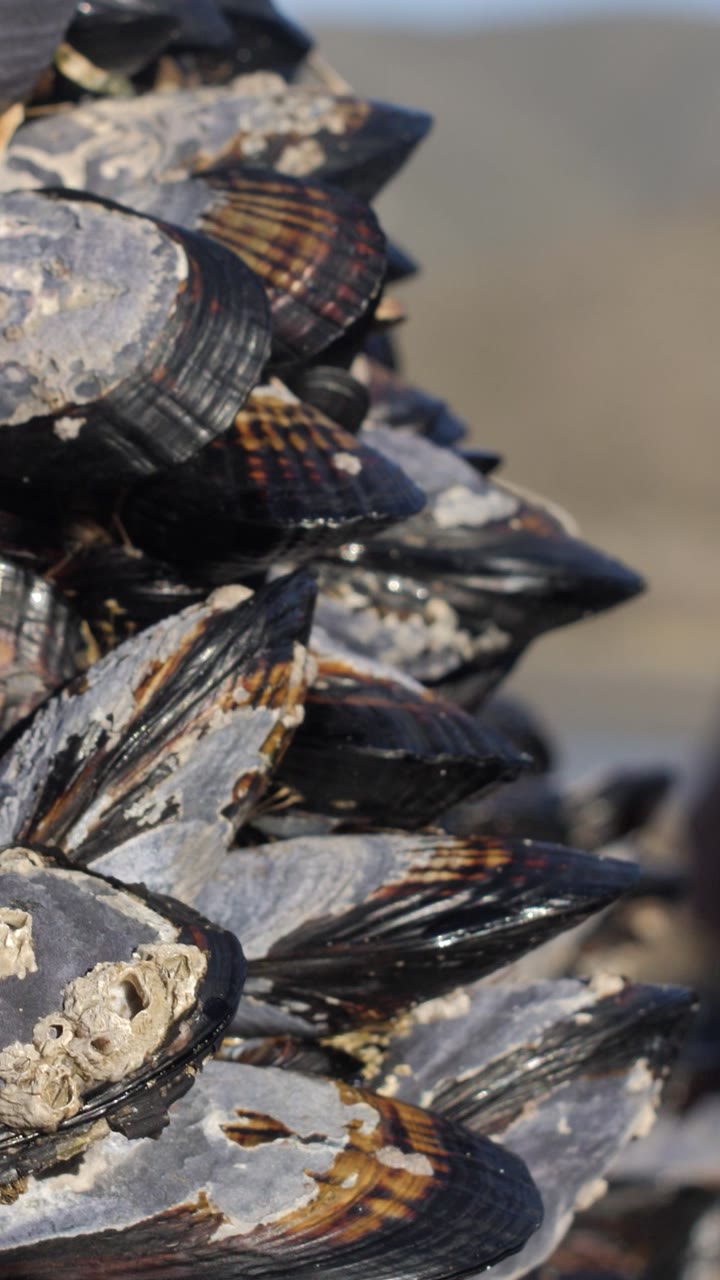
Fresh mussels gathered on the shore

Pop-ups + audience engagement

Extending the experience beyond the theater

Shared economic benefit

Locally produced goods and revenue opportunities for community partners, wherever possible.

Not a merchandise table. A marketplace of ideas, flavors, stories, resources and relationships.

Impact campaign budget

Built for experience, not just advertising

Total range$25K–$50K

At ~$25K

A lightweight, highly replicable model: screenings, tastings, partnerships, curriculum and reusable toolkits.

At ~$50K

Destination events in select cities: chef collaborations, pop-ups, deeper partnerships and stronger documentation.

Preliminary allocation. Bars show the top of each range against the largest line.

Measuring impact

Success goes beyond how many people see the film

Reach + participation

  • 15–20 activated markets
  • Screening attendance
  • Local food and community partners
  • Chefs, growers, educators and knowledge holders
  • Tastings, samples or meals served
  • Toolkits and curriculum distributed
  • Resources accessed via QR links
  • Sovereignty and preservation initiatives supported
  • Pop-up participation and earned revenue
  • Economic benefit to local partners
  • Community screening requests
  • Earned media and social reach

Equally important

Did someone discover a food they had never eaten?

Did a student better understand food and land?

Did someone learn why access to land is not equal?

Did a screening connect a local chef, grower or group with new supporters?

Did a community receive real economic or organizational benefit?

Awareness Understanding Participation

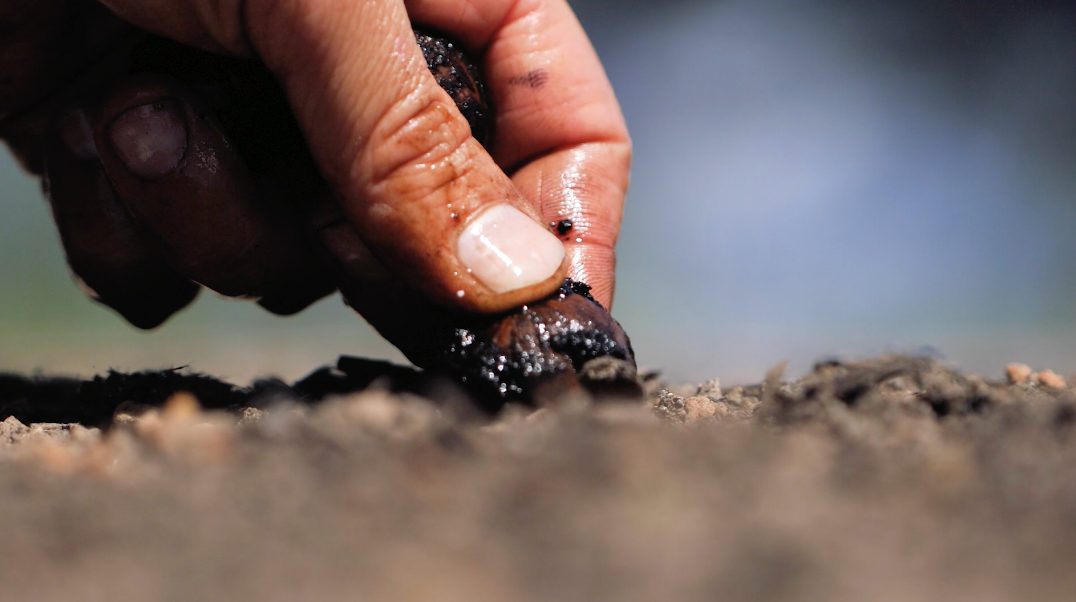
A hand holding seeds

Building something that lasts

The initial tour is the seed, not the finish line

  • The film provides the story.
  • The 15–20 city tour demonstrates the experience.
  • The toolkits make the model reproducible.
  • Community resources connect audiences with local action.
  • Local partners add knowledge and authenticity.
  • And the People's Pantry keeps growing.

Taste the landscape. Protect the knowledge. Support the community. Imagine a more just and resilient food future.